
The 2026 Metro Revolution: How the Pink Line Redefines Godrej Bannerghatta
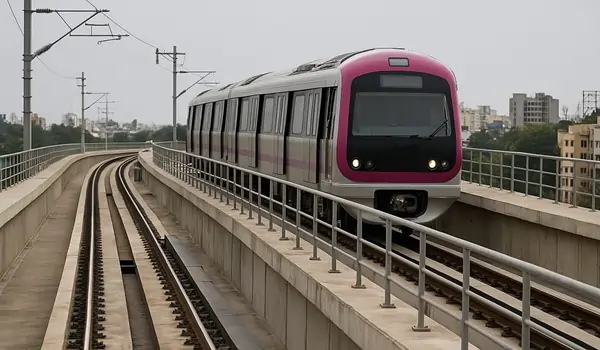
Bangalore is growing at a fast pace. The city attracts people from across India due to its job opportunities, strong IT sector, and wide range of education and healthcare facilities. As more people move into the city, daily travel needs increase. Roads now carry far more vehicles than they were designed for. As a result, traffic congestion has become a common issue.
Bannerghatta Road is one of the most important corridors in South Bangalore. It connects residential zones with major hospitals, offices, malls, and colleges. Thousands of people use this road every day for work, study, medical visits, and shopping. Over time, travel on this road has become slower and less predictable.
This is where the Namma Metro Pink Line becomes highly relevant. It is one of the biggest metro projects in Bengaluru today. The line is designed to improve north-south connectivity and reduce the pressure on road transport. The most important milestone of this project is expected in May 2026, when the first operational section will open to the public.
For people living near Godrej Bannerghatta, this development has strong practical value. The southern terminal station of the Pink Line, Kalena Agrahara, is located around 6.3 km from the project. This short distance means residents can reach the Metro station easily using:
- Cycling
- Feeder auto or shared mobility
By the end of 2026, the full Pink Line will connect Kalena Agrahara in the south to Nagawara in the north. This will create a continuous metro corridor through major parts of the city. It will allow people to travel across Bengaluru without relying fully on surface traffic.
Understanding the Pink Line and Its 2026 Launch
The Pink Line is part of Namma Metro Phase 2 and is also called Reach 6. It is designed as a major north-south rail corridor that connects several key zones of Bengaluru. The total length of the Pink Line is about 21.25 km. It starts at Kalena Agrahara in South Bengaluru and ends at Nagawara in North Bengaluru. The route includes both elevated and underground sections. This design allows the metro to pass through dense city areas without disturbing surface traffic too much.
The Pink Line is being developed in two phases:
Phase 1 – Elevated Section (Opening in May 2026)
The first phase is the elevated section from Kalena Agrahara to Tavarekere. This stretch is about 7.5 km long and runs along Bannerghatta Road. The stations on this elevated stretch include:
- Kalena Agrahara
- Hulimavu
- IIM Bangalore
- JP Nagar 4th Phase
- Jayadeva Hospital
- Tavarekere
These stations serve areas that include:
- Residential neighbourhoods
- Educational institutions
- Major hospitals
- Commercial zones
This makes the first phase useful even before the full line becomes operational.
Phase 2 – Underground Section (Expected by Late 2026)
The second phase is the underground section from Dairy Circle to Nagawara. This stretch is around 13.8 km long. It passes through central Bengaluru and connects important business and employment hubs.
This section is expected to open by December 2026, depending on safety approvals and system checks. Once both phases are complete, the Pink Line will offer:
- A continuous metro route from south to north
- Faster cross-city travel
- Less dependency on private vehicles
- Better integration with other metro lines
One of the most important features of the Pink Line is the Jayadeva Hospital interchange station. This station connects the Pink Line with the Yellow Line, which runs from RV Road to Bommasandra. This interchange allows passengers to travel between different corridors without leaving the metro network.
From a city planning view, the Pink Line supports:
- Reduced traffic congestion
- Higher public transport usage
- Better access to jobs and services
- More balanced urban development
Why the May 2026 Opening Matters for Godrej Bannerghatta
The May 2026 opening is a key milestone for South Bengaluru. For residents of Godrej Bannerghatta Road, it brings direct and practical benefits related to daily travel. The biggest advantage is distance. Godrej Bannerghatta is located about 6.3 km from Kalena Agrahara metro station. This makes it one of the closest residential zones to the Pink Line terminal.
This short distance supports:
- Easy daily commuting
- Quick access to public transport
- Lower travel costs
- Reduced travel stress
Residents can reach the metro station using:
- Walking for short trips
- Feeder autos or shared cabs
- Two-wheelers or bicycles
Once the elevated section becomes operational, people can start using the metro for regular activities such as:
- Office travel
- College and school commutes
- Hospital visits
- Shopping and social outings
When the underground section opens later in 2026, residents will be able to travel directly towards:
- Central Business District areas
- Major tech and office hubs
- Northern Bengaluru localities
Another major benefit is the interchange at Jayadeva Hospital. This allows passengers to switch between the Pink Line and the Yellow Line. This expands the reachable area without needing multiple transport modes.
This means a resident of Godrej Bannerghatta can travel across large parts of Bengaluru using only the metro system. The May 2026 opening also marks the shift from planning to real usage. Trial runs are already happening on the elevated section. Once public operations start, commuting habits will slowly change.
Over time, this leads to:
- More people are choosing the metro over cars
- Better time management
- Reduced fuel usage
- More predictable daily schedules
This change may not happen overnight, but it becomes visible within the first few months of operation.
How the Pink Line Will Change Daily Life Around Bannerghatta Road
Bannerghatta Road is known for heavy traffic, especially during peak hours. Travel delays are common due to signal congestion, narrow road sections, and high vehicle volume. The Pink Line offers a strong alternative to road travel.
Metro trains operate on fixed tracks and fixed schedules. They are not affected by road traffic, weather conditions, or parking issues. This makes travel more reliable. For people living near Godrej Bannerghatta South Bangalore, this brings several lifestyle improvements.
Key daily changes expected:
- Shorter and more predictable commute times
- Less stress from driving in traffic
- Lower dependence on private vehicles
- Easier access to city facilities
The metro also supports better first and last mile connectivity. Around most metro stations, city authorities usually introduce:
- Feeder bus services
- Shared autos
- Pick-up and drop zones
- Improved footpaths
This makes it easier for residents to reach the station without long walks. The interchange at Jayadeva Hospital adds further value. It allows people to travel in multiple directions using a single transport system. This improves overall city mobility. Over time, areas near metro stations also see changes in local activity. More shops, cafes, clinics, and service centres open to serve commuters. This improves access to daily needs within shorter distances.
For Bannerghatta Road, this means the area slowly becomes more transit-friendly and better connected to the rest of Bengaluru.
Data Table: Distances and Travel Impact
| Location | Approx. Distance from Godrej Bannerghatta | Expected Travel Mode |
|---|---|---|
| Kalena Agrahara Metro Station | 6.3 km | Feeder Auto |
| Jayadeva Hospital Station | 10.7km | Direct Metro |
| IIM Bangalore Station | 9.5 km | Direct Metro |
| MG Road (CBD) | 17–20 km | Metro (Post Full Line) |
| Nagawara Station | 30 km | End-to-End Metro |
Long-Term Urban Impact of the Pink Line
The Pink Line is not only about daily travel. It also shapes how the city grows over time. You must also remember that metro corridors often become growth zones. They attract:
- Residential development
- Office spaces
- Retail outlets
- Public services
This happens because people prefer locations with strong connectivity.
For Godrej Bannerghatta Bangalore, long-term impact comes from being part of a well-connected urban network. Better access to different parts of the city supports:
- Flexible job options
- Better work-life balance
- Easier access to healthcare and education
- More lifestyle choices
From a planning view, the Pink Line supports sustainable urban growth. Public transport reduces carbon emissions and improves traffic flow. As Bengaluru continues to expand, metro lines like the Pink Line help create a balanced transport system. This reduces pressure on roads and improves the overall quality of urban life.
The Major Takeaway
The May 2026 opening of the Pink Line marks an important change for South Bengaluru. For Godrej Bannerghatta, being close to Kalena Agrahara metro station brings real benefits in daily travel and long-term accessibility.
As the full line becomes operational by the end of 2026, residents will enjoy faster, more reliable, and more sustainable mobility. The Pink Line does not promise instant transformation, but it builds a strong foundation for better urban living and smarter city growth in the coming years.
To learn more about connectivity and lifestyle around Godrej Bannerghatta, you may:
- Request the official brochure
- Book a site visit
- Register an expression of interest
- Ask for a callback
These steps help you understand the area and make informed decisions.
 FAQs
FAQs
- Request for the official brochure
- Book a site visit
- Register an expression of interest
- Ask for a callback