
Smart Home Living: A Deep Dive into Godrej Bannerghatta’s Tech Integration
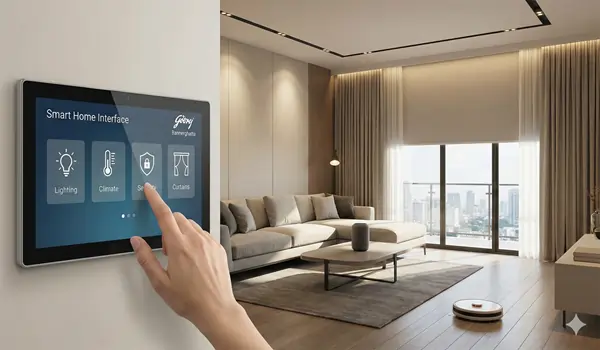
Godrej Bannerghatta is located on Bannerghatta Road in South Bangalore. This area is already known for strong residential demand and good social infrastructure. Now, it is also becoming known for something else. It is adapting to smart and connected living. In 2026, homes are no longer just places to live. They are also offices, classrooms, as well as digital spaces.
This is why smart home features are becoming important. Smart homes focus on safety, comfort, connectivity, and efficiency. These features are no longer seen as a luxury. They are becoming normal expectations for modern buyers. Godrej Bannerghatta follows this shift. The project combines smart technology with practical design. It focuses on real daily use, not just advanced gadgets.
Why Smart Homes Are Growing in 2026
The demand for smart homes is rising across Indian cities. It is not only because of technology. It is because of lifestyle change. Three major trends are driving this growth. First, remote and hybrid work has become common. Many professionals now work from home for at least part of the week.
Second, people are more aware of security. They want better control over access and monitoring. Third, people want energy-efficient homes. As electricity costs are rising, smart systems are helping to reduce wastage.
Because of this, buyers now look for:
- Digital door systems
- App-based security controls
- Strong internet infrastructure
- Homes with good daylight
- Better air circulation
These features improve both comfort and productivity.
What Smart Living Actually Means Today
Smart living does not mean that one has to fill their homes with complex devices. It means using technology in simple and useful ways. A smart home should reduce effort. It should improve safety. It should support work and learning. It should make daily routines easier.
In short, smart living is about control and convenience. At Godrej Bannerghatta, smart features are designed to fit normal daily life. They are not meant to feel complicated or technical.
The goal is simple. Technology should work quietly in the background and residents should feel comfort, not confusion.
Smart Security and Digital Door Systems
Security is one of the most important parts of smart living. In modern cities, people want safe homes without manual systems. They want digital systems that are easy to manage.
Smart security usually includes:
- Digital door locks
- Video door phones
- App-based access systems
- Visitor monitoring
These systems allow residents to control entry using their smartphones. They can see who is at the door. They can unlock remotely if needed. This is useful for working couples, senior citizens, families with children, and people who travel often. Digital locks also reduce dependency on physical keys. This lowers the risk of loss or misuse. So security becomes both stronger and simpler.
High-Speed Connectivity and Remote Work
One of the biggest changes after 2020 is remote work. Many people now work from home regularly. Some people work fully online. This makes internet quality very important.
Smart homes must support:
- High-speed broadband
- Strong internal wiring
- Wi-Fi coverage across rooms
- Stable video calls
Godrej Bannerghatta is planned with digital readiness in mind. Homes are designed to support modern connectivity needs. This helps residents in many ways. Online meetings become smoother. Video calls do not drop. Work remains uninterrupted. Children can attend online classes easily. So the home becomes both a living space and a professional workspace.
Natural Light and Smart Design Planning
Smart living is not only about digital features. It is also about how homes are physically designed. In fact, design matters more than devices. If a home has a poor layout, no amount of technology can make it comfortable. But if the design is good, many problems get solved naturally.
Natural light is one of the most important elements in home design. Homes at Godrej Bannerghatta are planned to allow more daylight inside. This is done through better building orientation, wider spacing between towers, and proper window placement.
This has several real benefits:
- More sunlight enters living spaces during the day.
- Rooms feel brighter without switching on the lights.
- People feel more active and positive.
- Indoor spaces feel larger and more open.
Natural light also reduces electricity use. When daylight is sufficient, artificial lighting is needed less often. Over time, this lowers power consumption and energy bills. So this is not just about aesthetics. It directly affects comfort, health, and long-term energy efficiency.
Good design reduces dependency on systems. That is the first layer of smart living.
Ventilation and Energy Efficiency
Ventilation is another area where design plays a bigger role than technology. Many urban homes suffer from poor air flow. Windows are blocked. Buildings are too close. Air gets trapped inside rooms.
This leads to several problems:
- Rooms feel hot and stuffy.
- Indoor air quality drops.
- People depend more on fans and air conditioners.
- Electricity usage increases.
Smart design tries to solve this at the planning stage. At Godrej Bannerghatta, layouts focus on cross ventilation. This means air can enter from one side and exit from another. Windows are placed in positions that allow wind movement and along with that, open layouts reduce internal barriers.
This has long-term benefits:
- Homes stay naturally cooler.
- Fresh air keeps circulating.
- Indoor pollution reduces.
- Dependence on air conditioning decreases.
Over time, this saves energy and lowers running costs. It also improves health, especially for children and elderly residents. So ventilation is not just a comfort feature. It is a core part of energy efficiency and sustainable living.
How Technology Supports Daily Life
Technology in homes should not feel complicated. It should feel invisible. The purpose of smart systems is not to impress. It is to simplify daily routines.
- Lights can be controlled without moving around the house.
- Security systems can be checked from anywhere.
- Doors can be unlocked remotely for family or visitors.
- Entry can be monitored digitally.
So, these features save time. But more importantly, they reduce mental load. People do not need to worry about forgetting keys. They do not need to stress about home safety while traveling. They feel more relaxed and in control.
This is the real value of smart living. It is not about futuristic technology. It is about removing small daily stresses and making homes easier to live in. When technology supports routine rather than interrupts it, smart living actually works.
Smart Homes vs Traditional Homes
| Feature | Smart Homes | Traditional Homes |
|---|---|---|
| Security | Digital locks and monitoring | Manual locks |
| Connectivity | High-speed ready | Basic wiring |
| Access control | App-based | Physical keys |
| Lighting | Natural + smart planning | Artificial focus |
| Energy use | More efficient | Higher wastage |
| Remote work | Fully supported | Limited support |
Long-Term Value of Smart Living
Smart homes offer long-term value in several ways. They improve daily comfort, reduce energy costs, support work-from-home, and improve security.
From an investment view, smart homes are more future-ready. Buyers in the future will expect these features. Along with this, resale demand stays stronger and rental demand becomes more stable. So smart living is not only about lifestyle. It is also about long-term relevance.
Why Godrej Bannerghatta Fits the 2026 Lifestyle
Godrej Bannerghatta fits well into how people are expected to live in 2026. Urban life is changing. People now spend more time at home. They work from home. They study online. They also expect better safety and comfort. This means homes must support more than just sleeping and resting. They must support daily work, digital life, health, and family needs. Godrej Bannerghatta responds to this shift in a practical way.
First, the project focuses on smart security. In 2026, safety is not just about guards and gates. It is also about digital control. Features like app-based access, video door systems, and digital locks help residents feel more secure. They can monitor their home even when they are not physically present.
Second, the homes are ready for digital use. Remote work, online education, and digital services depend on strong networks. Homes that are planned for high-speed connectivity reduce daily disruptions.
Third, the project gives importance to natural ventilation and daylight. Good airflow reduces indoor heat and improves air quality. Natural light reduces dependence on artificial lighting. Over time, this lowers electricity use and improves physical and mental well-being.
Lastly, the project uses practical layouts. Good layout planning supports these changing needs without forcing major interior changes. For working professionals, it helps in supporting remote work and digital security. For families with children, it offers safety and healthier living spaces. For senior citizens, it provides comfort, easy access systems, and better air quality.
The Major Takeaway
Smart living in 2026 is no longer about showing off luxury features. It is about solving real problems in daily life. People now look for homes that make life easier, safer, and healthier. At Godrej Bannerghatta, this idea is clearly visible. The project focuses on practical design and useful technology, not just smart gadgets. The planning supports modern lifestyles where people work from home, spend more time indoors, and depend on digital systems every day.
In simple terms, Godrej Bannerghatta reflects the changing nature of housing. Homes are becoming tools for better living, not just spaces to stay in. The focus is shifting from luxury to long-term usability. This is what smart living truly means today. Not homes that look futuristic. But homes that actually work better in real life.
